
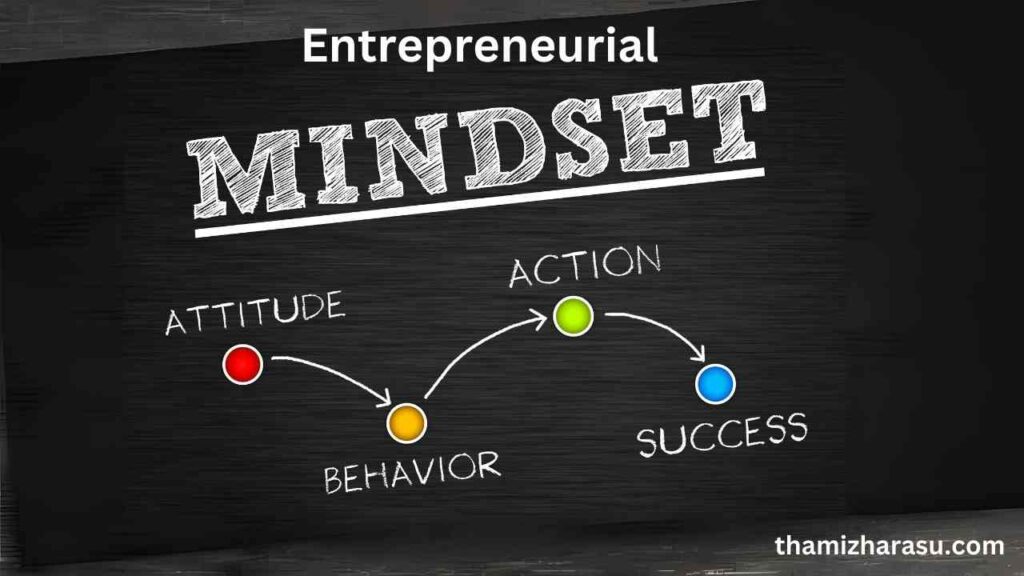
The world of self-employment can be daunting. It's a realm filled with uncertainties, risks, and challenges.
Check out this story from MSM https://www.msn.com/en-us/money/markets/1-17m-us-job-cuts-in-five-year-high-54-increase-over-last-year/ar-AA1SBdkE
Yet, it's also a world of immense possibilities. It offers the promise of autonomy, financial independence, and the chance to shape your own destiny.
But to navigate this world successfully, you need more than just a good business idea. You need a specific mindset.
This mindset, often referred to as the "self-employment mentality," is the cornerstone of entrepreneurial success. It's a blend of resilience, adaptability, and a self-starter attitude.
It's about seeing challenges as opportunities for growth. It's about being proactive, taking initiative, and not waiting for opportunities to come to you.
It's about being resilient in the face of setbacks and failures. It's about learning from these experiences and using them to fuel your progress.
It's about being adaptable, ready to pivot and change course when necessary. It's about staying open to new ideas, trends, and technologies that can enhance your business operations.
It's about being a self-starter, taking charge of your time, setting your own goals, and driving your own success. It's about being accountable for your actions and results.
Developing this self-employment mentality is not an overnight process. It requires time, effort, and a commitment to continuous learning and personal growth.
But the rewards are worth it. With the right mindset, you can navigate the uncertainties of self-employment and steer your business towards success.
In this guide, we'll delve into the intricacies of the self-employment mentality. We'll explore strategies to cultivate this mindset and practical tips to apply it to your business operations.
So, whether you're a new entrepreneur or an auto body paint sprayer tired of working for the "man," this guide is for you. Let's embark on this journey towards developing a self-employment mentality for these uncertain times.
Embracing the Self-Employment Mentality
Deciding to become self-employed is more than just quitting your job. It's about embracing a new mindset that allows you to thrive. A self-employment mentality is crucial. It empowers you to handle the ups and downs of running your own business.
Transitioning into self-employment requires a shift in thinking. You must move from a predictable routine to a life full of uncertainties. Yet, this change can be exhilarating and fulfilling.
This mentality involves taking full responsibility for your success. Unlike traditional employment, where roles are predefined, self-employment requires wearing multiple hats. You are your own boss, employee, and accountability partner.
Embracing this mindset means welcoming risks and challenges. It involves understanding that uncertainty is part of the journey. But with the right approach, it can lead to innovation and growth.
Financial independence is often a primary goal. However, achieving this requires strategic planning and discipline. Financial acumen becomes as important as your core skills in your field.
Moreover, you need resilience to tackle obstacles. Every setback becomes a learning opportunity rather than a defeat. The ability to bounce back is crucial.
Adaptability is another key aspect. The market is dynamic, requiring you to be flexible in your strategies. Staying open to change can make all the difference in sustaining your business.
While being your own boss has its perks, it demands intrinsic motivation. Without external management, staying on track depends on your drive and discipline. Cultivate routines that build productivity and focus.
Furthermore, success in self-employment often hinges on continuous improvement. Embrace lifelong learning to enhance both personal and professional growth. This keeps you competitive and relevant in your industry.
Ultimately, developing a self-employment mentality is a journey in personal development. It pushes you to redefine what success means and how you achieve it. With this mindset, you can pursue a path of autonomy and fulfillment.
Understanding the Self-Employment Mentality
At its core, a self-employment mentality is about owning your path. It's an approach that emphasizes personal accountability. You're responsible for the choices you make and the paths you take.
This mentality also encompasses resilience. Self-employed individuals experience fluctuations in income and workload. Resilience helps you manage these fluctuations with poise.
Another key component is adaptability. The business landscape is ever-changing. Being adaptable means you're ready to pivot when necessary, ensuring your offerings remain relevant.
Additionally, a proactive attitude is fundamental. Waiting for things to happen is not an option. You must actively seek opportunities and solutions.
Finally, a self-employment mentality is characterized by a growth mindset. Challenges are viewed as stepping stones rather than setbacks. This mindset drives continuous improvement and innovation.
Characteristics of an Entrepreneurial Mindset
An entrepreneurial mindset is crucial for individuals transitioning into self-employment. It includes several key characteristics that distinguish successful entrepreneurs.
Firstly, a high level of curiosity is vital. Entrepreneurs continuously ask questions, seeking new knowledge and insights.
Secondly, creativity is crucial. It involves finding innovative solutions to problems and seeing possibilities others might miss.
Also, passion drives entrepreneurs to persevere, even in difficult times. It's the internal fuel that keeps efforts aligned with long-term visions.
Here are some core characteristics of an entrepreneurial mindset:
- Curiosity: Always learning and seeking knowledge.
- Resilience: Bouncing back from failures and setbacks.
- Creativity: Innovating and problem-solving in unique ways.
- Passion: Being driven by your mission and vision.
- Risk-taking: Willingness to step out of comfort zones.
- Flexibility: Adapting to changing circumstances.
Moreover, entrepreneurs need strong communication skills. Engaging with clients, partners, and stakeholders is essential. It's about building trust and rapport to drive business forward.
Time management skills are equally important. Balancing various responsibilities requires efficient prioritization. Being organized helps in managing tasks and maintaining productivity.
Financial literacy rounds out the entrepreneurial mindset. Understanding financial statements, budgeting, and cash flow are crucial for business sustainability. It allows you to make informed decisions that impact your bottom line.
The Relevance of Being a Self-starter
Being a self-starter is a cornerstone of successful self-employment. It means taking initiative without external prompts. You're driven by internal motivation to achieve your goals.
This trait is significant because self-employment lacks traditional supervision. Without a boss assigning tasks, self-starters thrive by creating their own objectives.
A self-starter attitude ensures progress despite obstacles. It involves identifying opportunities and acting on them swiftly. Complacency is not an option in self-employment.
Moreover, self-starters are often seen as leaders. They inspire confidence in clients and partners through their proactive nature. This builds trust, which is vital for business growth.
Finally, being a self-starter fosters innovation. Since you're actively seeking ways to improve and expand your business, creativity flourishes. New ideas and processes result from this continuous quest for advancement.
In essence, being a self-starter sets the foundation for a successful self-employment journey. It's the drive and determination that propels you towards your business goals, even in uncertain times.
The Benefits and Challenges of Self-Employment
Deciding to embark on a self-employed path brings a multitude of benefits. However, it also presents its fair share of challenges. Recognizing both sides helps prepare you for this journey.
A key advantage is autonomy. You're in control of your schedule, projects, and priorities. This freedom allows you to align your work with personal values and goals.
Additionally, self-employment offers potential for financial independence. The opportunity to earn based on your performance and business growth is thrilling. You're no longer bound by the limits of a fixed salary.
However, challenges exist alongside these benefits. One major hurdle is managing inconsistent income. Without the predictability of a regular paycheck, planning becomes crucial.
Another challenge is handling multiple responsibilities. In self-employment, you juggle roles from marketing to customer service. Balancing these tasks can initially be daunting.
Despite these hurdles, the rewards of self-employment often outweigh the drawbacks. Here are key benefits and challenges to consider:
- Benefits: Autonomy, financial potential, flexibility, personal growth, and creativity.
- Challenges: Income unpredictability, role juggling, isolation, and maintaining motivation.
Overcoming these challenges requires a strategic mindset. It's about facing obstacles with a problem-solving attitude and creative solutions.
Moreover, resilience plays a vital role in navigating hurdles. Learning to manage stress and setbacks constructively is important. It builds strength to face future challenges.
Ultimately, being aware of the benefits and challenges helps set realistic expectations. This awareness empowers you to make informed decisions on your self-employment journey.
Autonomy and Financial Independence
One of the most appealing aspects of self-employment is the autonomy it offers. The power to make your own decisions is liberating. You choose how and when to work.
This autonomy aligns closely with personal values and vision. It allows for a tailored approach to work, enabling you to craft a career that fits your lifestyle.
With autonomy comes the potential for financial independence. Your earnings reflect your hard work and success. This motivates many to push beyond traditional employment boundaries.
However, achieving financial independence demands discipline and planning. Managing finances responsibly is crucial for sustainable growth. Budgeting and saving become vital habits.
Additionally, autonomy requires self-discipline. Without supervision, maintaining productivity can be challenging. Cultivating self-discipline ensures you stay on track toward your goals.
This control over your career path is one of the core attractions. It offers the prospect of a fulfilling life, driven by passion and self-made success.
Navigating Uncertainty and Risk
Uncertainty and risk are integral to self-employment. Unlike traditional jobs, there are few guarantees in a self-driven path. Understanding how to manage these aspects is essential.
Navigating uncertainty begins with embracing it as part of growth. Accept that fluctuations in workload and income will occur. It prepares you to handle market changes without stress.
Risk management is a crucial skill in this landscape. Identifying potential pitfalls and planning for them minimizes negative impacts. This proactive approach safeguards your business.
However, risk presents opportunities as well. Taking calculated risks can lead to significant rewards and innovation. It's about balancing caution with strategic boldness.
Support networks play an important role in managing uncertainty. Family, friends, and mentors provide stability and advice. They offer perspectives that guide you in making informed decisions.
Ultimately, the ability to navigate uncertainty strengthens resilience. Each challenge conquered builds confidence in your capabilities. It enriches your entrepreneurial journey, reinforcing why the self-employment path is worth pursuing.
Building Resilience and Adaptability
In the fluctuating environment of self-employment, resilience and adaptability are key attributes. They help navigate the unpredictable landscape of running a business. These traits enable entrepreneurs to withstand setbacks and embrace changes head-on.
Building resilience involves developing a mindset that views challenges as learning opportunities. Instead of viewing obstacles as insurmountable, consider them stepping stones. This shift in perspective fosters growth and innovation.
Adaptability, on the other hand, is the ability to adjust strategies and approaches as needed. Markets evolve, and business demands fluctuate. Being open to change ensures continued relevance and competitiveness in the business world.
Balancing resilience and adaptability creates a dynamic and robust approach to self-employment. These traits work in tandem, allowing entrepreneurs to remain grounded yet flexible.
Learning from others is an effective way to develop these qualities. Engaging with experienced entrepreneurs can offer valuable insights. Their stories provide both inspiration and practical strategies for overcoming challenges.
Additionally, setting realistic expectations is crucial. Understanding that not everything will go according to plan prevents discouragement. A flexible approach allows you to pivot and adjust without losing momentum.
Above all, maintaining a positive outlook helps sustain both resilience and adaptability. Positivity fuels perseverance, encouraging entrepreneurs to keep striving toward their goals. It's the driving force behind long-term success.
Strategies for Developing Resilience
Developing resilience starts with cultivating a growth mindset. Embrace challenges as opportunities for learning and personal development. Shifting your focus from setbacks to solutions can transform your approach.
Practicing mindfulness also contributes to resilience. It promotes mental well-being and helps manage stress effectively. Incorporate activities such as meditation or deep breathing into your routine.
Connecting with supportive communities can further bolster resilience. Sharing experiences with others going through similar situations encourages. It reminds you that you're not alone in your entrepreneurial journey.
Finally, set small, achievable goals that build confidence. Achieving these goals, even if they seem minor, accumulates into significant accomplishments. These successes reinforce your ability to handle and overcome obstacles.
The Role of Adaptability in Business
Adaptability is crucial in a business world that constantly evolves. Being flexible allows you to adjust to changes rapidly and effectively. Embracing this mindset keeps you ahead of the curve.
Listening to feedback is a primary method for fostering adaptability. Constructive criticism provides insights into areas needing improvement. It's a valuable tool for refining products or services to better meet customer needs.
Invest in continuous learning to stay current with industry trends. Workshops, courses, and seminars are excellent resources. They equip you with new skills and broaden your knowledge base.
Experimenting with different approaches can lead to valuable discoveries. Don't hesitate to try new strategies or explore untapped markets. Each experiment broadens your understanding of what works best for your business.
Ultimately, adaptability enhances your ability to innovate. It encourages finding creative solutions to challenges, opening doors to new opportunities. This willingness to evolve keeps your business agile and competitive.
Time Management and Goal Setting
Effective time management and realistic goal setting are pillars of successful self-employment. Managing your time efficiently is crucial for productivity. It ensures that you’re making progress toward your objectives without burnout. Setting and achieving realistic goals provides direction and purpose in your business. Together, these practices help in maintaining a structured and goal-oriented approach.
Effective Time Management Techniques
Organizing your day with a clear schedule is a fundamental time management technique. Start each day by prioritizing tasks based on urgency and importance. This establishes a sense of direction and focus from the get-go.
Using tools like calendars and task management apps is beneficial. They help keep track of appointments and deadlines. These digital aids are especially useful in a busy workday, ensuring nothing falls through the cracks.
Time blocking is another efficient strategy. Allocate specific time slots for different tasks or projects. This can significantly reduce distractions and help maintain concentration.
Lastly, practice the art of saying no. Declining tasks that don't align with your priorities preserves valuable time for what truly matters.
Setting and Achieving Realistic Goals
Begin by defining specific and measurable goals. Clarity in what you want to achieve makes tracking progress straightforward. Whether short-term or long-term, goals should be attainable and realistic.
Breaking down larger goals into smaller tasks makes them less intimidating. Each small task accomplished is a step toward the bigger picture. This incremental progress keeps motivation high and momentum steady.
Regularly reviewing and adjusting your goals is essential. Flexibility allows you to align with changing circumstances and business needs. It ensures that you're always working toward relevant objectives.
Celebrate accomplishments, no matter how small. Acknowledging success boosts confidence and encourages continued effort. Each milestone reached is a testament to your commitment and capability.
Continuous Learning and Networking
In the dynamic world of business, continuous learning and networking are invaluable. These elements keep your skills sharp and expand your influence. They are crucial for adapting to industry changes and for personal growth.
The Importance of Lifelong Learning
Lifelong learning keeps you competitive and relevant. Industries evolve rapidly, and staying updated is crucial. Regular learning helps you to adapt to new tools and methodologies.
Engaging in courses and workshops enhances your skill set. They provide fresh perspectives and ideas, fueling innovation. Learning doesn’t have to be formal; books and podcasts are excellent resources too.
Curiosity is the engine of learning. Stay curious about your industry and beyond. This curiosity can lead to unexpected insights and opportunities.
Finally, treat failures as learning experiences. Each setback is an opportunity to grow and improve. Reflect on failures to gain valuable lessons.
Building Professional Relationships
Networking is about building genuine connections with peers. Strong relationships can open doors to new opportunities. They create a support system for your entrepreneurial journey.
Attend industry events, both in-person and virtually. These gatherings are fertile ground for expanding your network. They offer a chance to meet people who can influence your business positively.
Developing relationships with mentors is another valuable strategy. Mentors offer guidance and share experiences, providing a wealth of knowledge. They can offer advice on navigating challenges you might face.
Remember, networking is a two-way street. Offer help and value to others in your network. Building trust and reciprocity strengthens professional connections, making them more meaningful.
Financial Planning and Marketing Strategies
For a self-employed individual, mastering financial planning and marketing is pivotal. These components form the backbone of a successful venture. Balancing your books and effectively reaching clients ensures sustainability and growth.
Budgeting and Financial Planning for the Self-Employed
Sound financial planning begins with budgeting. A clear budget allocates resources efficiently, keeping your business on track. It helps prioritize spending and identifies areas to cut costs.
Maintaining a detailed record of expenses is crucial. Tracking every dollar spent provides clarity on your cash flow. It prevents overspending and highlights opportunities for savings.
Another key aspect is setting financial goals. Short-term and long-term goals guide your business investments and expenditures. They keep you motivated, focused, and aligned with your business vision.
Moreover, establish an emergency fund. This fund acts as a safety net during lean periods or unexpected expenses. It's a vital component of a robust financial plan.
Effective Marketing and Client Acquisition
Effective marketing boosts visibility and attracts clients. It involves communicating your unique value and differentiating from competitors. Tailored strategies can enhance your brand appeal and client reach.
Leverage social media for marketing. These platforms are cost-effective and offer wide reach. Engaging content builds your brand and fosters client relationships.
Understand the needs of your target audience. Align your services to meet these needs, ensuring client satisfaction. This alignment encourages referrals and repeat business.
Finally, invest in building your online presence. A strong digital footprint instills trust and credibility. A professional website and active profiles contribute to effective client acquisition.
Overcoming Psychological Hurdles
Venturing into self-employment can present significant psychological challenges. Managing these effectively is crucial for maintaining both personal well-being and business success. A proactive approach to mental health can empower you to tackle these obstacles head-on.
Dealing with Isolation and Stress
One major challenge is isolation. Working alone can feel lonely and disconnecting. Regularly interacting with peers, whether virtually or in-person, can help bridge this gap.
Stress is another hurdle. The pressure of handling everything—from decision-making to daily operations—can be overwhelming. Developing stress management techniques, like meditation or exercise, helps maintain balance.
Time away from work is also essential. Taking breaks prevents burnout and keeps your mind fresh. Scheduling downtime is not just a luxury but a necessity.
Maintaining a Positive Attitude and Outlook
Your mindset greatly influences your business trajectory. A positive attitude fuels resilience and creativity. It helps in facing challenges with a solution-focused outlook.
Practicing gratitude can shift your focus. Celebrating small successes and acknowledging progress fosters an optimistic view. It fuels motivation and keeps you engaged.
Network with like-minded individuals. Surrounding yourself with positivity reinforces your outlook. These connections provide support and encouragement.
Reflect on your purpose and goals regularly. Maintaining a clear sight of your reasons for self-employment propels you forward. It keeps you grounded and focused on the bigger picture.
Legal Considerations and Scaling Your Business
Navigating the legal landscape is a crucial step in self-employment. Ensuring legal compliance safeguards your business and builds trust with clients. Understanding your legal obligations is as important as any other business aspect.
Legal Compliance for Self-Employed Individuals
Start by identifying the required licenses and permits in your industry. Regulations can vary by location and sector. Researching these thoroughly helps you avoid costly penalties.
Tax obligations are another consideration. As a self-employed individual, understanding tax requirements, including quarterly filings, is vital. This keeps you clear of legal issues and surprises.
Contracts offer protection. Draft well-written agreements for client engagements. This minimizes disputes and clarifies expectations, providing peace of mind for both parties.
Lastly, explore business insurance options. Insurance can cover liabilities, safeguarding your assets. It's an essential investment in your business's continuity and security.
Strategies for Business Growth and Scaling
Strategic growth planning is key to scaling your business. Assess your current resources and capabilities. Identifying what you need to grow efficiently is the first step.
Diversify your offerings to attract a broader audience. Enhancing your product or service lines can tap into new markets. Adaptation keeps your business fresh and competitive.
Leverage technology for scalability. Automating tasks saves time and reduces errors. Digital tools enhance efficiency and allow you to manage larger volumes seamlessly.
Networking fuels growth. Building a strong network opens doors to partnerships and opportunities. Collaboration can accelerate your scaling efforts and expand your reach.
Growth doesn't happen overnight. Set realistic benchmarks and track progress. Each milestone achieved is a stepping stone to a larger vision. Keep your focus sharp and your goals clear.
Conclusion: Cultivating a Self-Employment Mentality for Success
Developing a self-employment mentality is vital in today's dynamic world. It's more than just an inclination; it's a way of life. Embrace this mindset to navigate the uncertainties of self-employment successfully.
Having an entrepreneurial mindset helps you tackle challenges confidently. This mindset nurtures resilience and keeps you motivated. It's about seeing possibilities where others see obstacles.
A self-starter attitude propels you forward. It empowers you to take initiative and chase your goals. Self-initiative is the fuel that drives your business's growth and sustainability.
Continuous learning ensures you stay relevant. It keeps your skills sharp and your knowledge updated. Embrace change and innovation to maintain your competitive edge.
Success in self-employment requires balance. Blend ambition with practicality. Remember, progress is a journey, not a destination. Focus on growth, development, and adaptation for long-term success.
Bathtub Doctor University can help if you're interested in converting your spray gun skills into a side hustle that has the potential for growth and profitability. Get in touch